
When summer temperatures climb, keeping your home comfortable without overworking the air conditioner becomes a priority. One question many homeowners ask is whether solar shades actually help reduce indoor heat. In most cases, the answer is yes.
Solar shades are designed to filter sunlight before it heats up your interior space. Instead of blocking all natural light like blackout coverings, they reduce glare and solar heat while still allowing rooms to feel bright and open. That balance makes them a popular choice for sun-filled living rooms, condos, home offices, and patio doors.
Whether you’re dealing with intense afternoon sun, humid summer heat, or bright west-facing windows, solar shades can make a noticeable difference in indoor comfort.
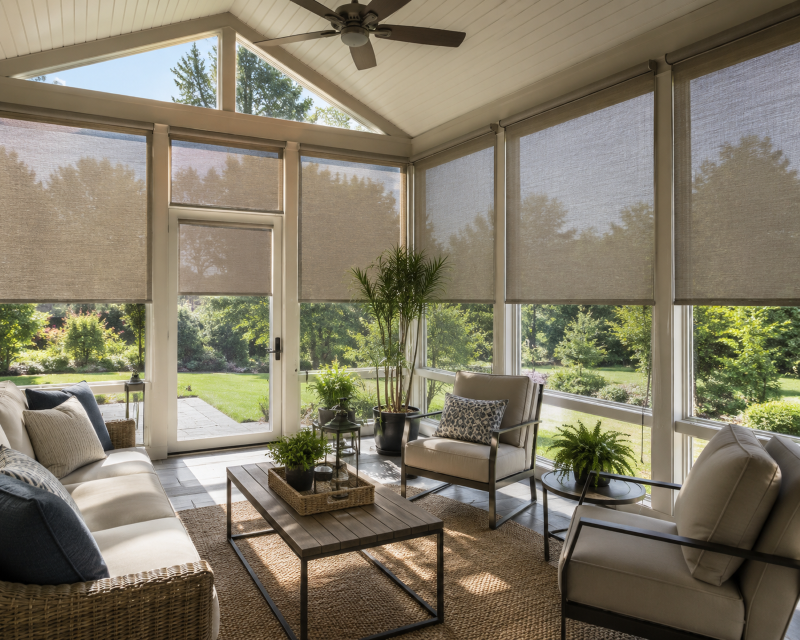
How Solar Shades Help Reduce Heat
Think of solar shades as a protective layer for your windows. Their specially engineered fabric helps control sunlight before it turns into trapped indoor heat.
Here’s how they work:
- Some sunlight is reflected away from the window
- Part of the solar energy is absorbed into the fabric
- The remaining light is filtered, reducing glare and radiant heat indoors
Because of this combination, solar shades can significantly lower heat gain during summer months. Rooms exposed to direct afternoon sunlight often feel cooler and more comfortable once the shades are installed.
They’re especially useful for:
- South-facing windows with all-day sun exposure
- West-facing rooms that overheat in late afternoon
- Large patio doors or oversized windows
- Condos with floor-to-ceiling glass
Keeping Natural Light Without the Heat
One of the biggest advantages of solar shades is that they don’t completely darken a room.
Unlike heavy drapes or blackout blinds, solar fabrics allow daylight to enter while cutting down on harsh brightness and excessive warmth. This helps maintain a bright, airy atmosphere without the uncomfortable heat buildup that direct sun can create.
For many Canadian homeowners, that means:
- Reduced glare on TVs and computer screens
- Better comfort during heat waves
- Less fading on flooring and furniture
- Lower reliance on air conditioning during peak daylight hours
What Do Openness Levels Mean?
Solar shades come in different openness percentages, which refers to how tightly the fabric is woven.
Lower openness percentages block more sunlight and heat, while higher openness levels preserve more visibility to the outdoors.
Common Openness Options
1–3% openness
- Greater heat and glare reduction
- More daytime privacy
- Ideal for sunny west-facing windows
3–5% openness
- Balanced visibility and cooling performance
- Popular for living rooms and kitchens
5–10% openness
- Brighter interiors
- Better outdoor views
- Moderate solar protection
Choosing the right openness level depends on how much sunlight the room receives and whether preserving the view is important.
Does Fabric Colour Matter?
Yes — fabric colour can affect performance. While openness controls how much light passes through, colour influences reflection and glare reduction.
Lighter Fabrics
- Reflect more sunlight
- Often provide stronger cooling performance
- Work well in sunrooms, kitchens, and bright living spaces
Darker Fabrics
- Reduce glare more effectively
- Improve visibility through the shade
- Popular in media rooms and home offices
Many homeowners choose neutral colours that complement modern Canadian interiors while helping manage solar heat throughout the day.
Choosing the Best Solar Shades for Sunny Rooms
If you’re selecting shades for heat control, it helps to evaluate the room first.
Step 1: Identify Sun Exposure
- West-facing windows typically receive the most afternoon heat
- South-facing windows experience prolonged sun exposure
- East-facing rooms get intense morning light
- North-facing rooms usually need less solar protection
Step 2: Decide How Much Visibility You Want
- Lower openness = better cooling and privacy
- Higher openness = clearer outdoor views
Step 3: Match the Shade to the Room
For stronger heat reduction:
- Choose lighter fabrics
- Select lower openness percentages
- Consider outside-mount installation for better coverage
For brighter rooms with preserved views:
- Use higher openness levels
- Choose darker fabrics if glare is a concern
Motorized Solar Shades for Convenience
Motorization has become increasingly popular in newer homes and condos across Canada.
Automated solar shades can be programmed to lower during the hottest part of the afternoon, helping maintain more consistent indoor temperatures without constant adjustment.
They’re especially useful for:
- Tall windows
- Hard-to-reach areas
- Smart home setups
- Large patio doors
Installation Tips for Better Heat Control
Proper installation can improve overall performance.
Inside Mount
- Clean, built-in appearance
- Works well for modern interiors
Outside Mount
- Helps reduce light gaps
- Often improves heat blocking around the edges
Accurate measurements are important for achieving the best results, particularly on large windows where sunlight exposure is strongest.
Additional Benefits of Solar Shades
- Beyond cooling performance, solar shades offer several other advantages:
- Help block harmful UV rays
- Reduce screen glare
- Protect furniture and flooring from fading
- Provide daytime privacy
- Maintain a clean, modern appearance
Frequently Asked Questions
Do solar shades really help keep rooms cooler?
Yes. Solar shades reduce solar heat gain by filtering sunlight before it enters the room, helping maintain a more comfortable indoor temperature.
Can you still see outside through solar shades?
In most cases, yes. Visibility depends on the openness level and fabric colour selected.
Will solar shades lower energy costs?
They can help reduce cooling demands during summer, particularly in rooms with significant sun exposure.
Are solar shades useful during winter in Canada?
While they’re primarily designed for summer heat control, pairing them with insulating window coverings may improve year-round comfort.
Should I Consider Solar Shades?
Solar shades can be an effective way to make your home more comfortable during Canada’s warmer months without sacrificing natural light. By reducing glare, filtering UV rays, and minimizing heat buildup, they help create cooler, brighter living spaces throughout the summer.
With the right openness level, fabric colour, and installation style, solar shades offer a practical solution for managing sunlight in everything from downtown condos to family homes with large south-facing windows. If you’re looking for these qualities in your next window blinds, solar shades are the right choice for you.